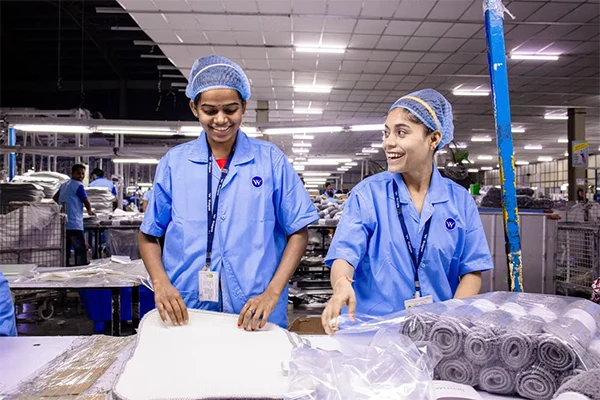
Maintaining workspace hygiene is really important, and it improves when HR makes it an everyday routine that is easy to understand and follow. Good hygiene doesn’t only involve clean facilities, but it also includes behaviour, training, and suitable workwear, which have an equal impact on hygiene standards.
If the system is practical, it helps managers with their responsibility to check if anything is unhygienic before it becomes contamination, illness, or operational delays. HR can manage hygiene practices through written protocols, focused training, and reliable records.
Developing Hygiene Protocols
Begin with a site assessment covering washrooms, kitchens, changing areas, shared equipment, and high-touch surfaces. Record who uses each space, the hygiene risks, and how often cleaning or checks should occur. In food production, for instance, door handles and handwashing stations may need inspection several times per shift.
Turn the observations into short instructions that name the task, responsible person, frequency, and reporting technology. Staff should know where to record an empty soap dispenser or damaged garment. Published hand hygiene strategies also highlight the value of accessible facilities, monitoring, and clear feedback.
Workwear care belongs in the same protocol. Where garments have specific performance requirements, a managed PPE laundry service can collect soiled garments, launder them using processes suited to their protective properties, and check them for damage or repairs before they return to staff. Garment tracking and service records can also support HR in monitoring which items are in circulation and identifying when replacements or repairs are needed. HR should document collection points, replacement arrangements, and the process for reporting damage.
Staff Training and Compliance
Explain each hygiene rule during induction, then reinforce it through small refresher sessions. Demonstrations work well for practical tasks like effective handwashing, changing into clean clothing, and distancing used garments from fresh stock. Keep attendance records and arrange catch-up training for anyone who doesn’t attend a session.
Training should connect each instruction to an actual workplace consequence. A production employee may understand a changing procedure better when you explain how cross-contamination can shift between work areas. HR’s role extends beyond training and documentation to workplace safety, policy development, and employee wellbeing. Understanding the key roles and responsibilities of human resources can help managers see how these functions fit together. Guidance on personnel hygiene training similarly treats employee behaviour as a central part of good manufacturing practice.
Check compliance through supportive observation, anonymous staff feedback, and simple audits. If a rule is generally missed, investigate practical barriers before assuming carelessness. Poorly located supplies, unclear signs, or rushed move handovers may be the real cause.
The Role of Clean Workwear
Make a clear standard for what counts as clean, serviceable workwear. The policy should cover how frequently garments are changed, where clean items are stored, and what staff must do with worn or used clothing. Personal storage areas should keep workwear separate from outdoor clothing and other belongings.
Don’t ask employees to judge specialist garment damage without guidance. Small tears, failed fastenings, or worn reflective details can influence performance even when an item appears usable. Provide staff with an easy reporting route and remove questionable garments from circulation until they have been inspected.
HR should also consider staff turnover, seasonal demand, and sizing changes. Keeping accurate problem and return records prevents shortages and minimizes unnecessary replacement costs. A modest reserve of commonly used sizes can stop a new starter or temporary worker from starting a shift without suitable clothing.
Automating Hygiene Schedules
Use digital scheduling tools to assign recurring hygiene tasks and send reminders before they become overdue. A basic system might prompt a facilities employee to check washrooms every two hours, inform a supervisor when a check is missed, and store a time-stamped record for review.
Automation works best when each alert has a named owner and escalation route. Shared reminders without individual responsibility are easy to ignore. Set realistic completion windows and make it possible for staff to report exceptions, like an area being inaccessible during maintenance.
Review the data monthly. Many gaps at shift changes may show that responsibility is unclear, while frequent emergency supply requests can point to stock-level issues. HR can then adjust rotas, reorder thresholds, or training based on evidence.
The best hygiene system is visible in ordinary working habits. When the next scheduled review takes place, check one complete process from supply storage to task completion and recorded sign-off. That tiny audit will show whether the written policy works on the floor.
FAQs
1. Why is it important to have good hygiene in the workplace?
Ans: Good hygiene is important in the workplace to stop spreading contaminants and germs and keep employees healthy.
2. What are the five types of hygiene?
Ans: The five types of hygiene are personal hygiene, food hygiene, environmental hygiene, domestic hygiene, and occupational hygiene.
3. What are three good hygiene habits?
Ans: The three good hygiene habits are washing your hands, brushing your teeth, and bathing regularly.