Downtime is really frustrating when it shows up suddenly, like one minute you are just happy, and then you get a realisation that shipments are going late, overtime is happening, scrap is piling up, and even customers are not giving good feedback.
Many plants are told to get more output from older equipment, especially when big capital purchases are difficult to get approved. It is believed that the U S assembly plants spent $6.24 billion on new equipment in2025, which was only 1 percent above 2024 projections.
That’s why, for many teams, custom equipment parts, equipment upgrades, custom manufacturing solutions, industrial equipment modifications, and upgrading machinery are really important.
Innovations in Custom Equipment Parts Production
Modern production methods have changed how we see custom parts. Now short runs, unusual shapes, quick design updates, and application-specific materials are really important.
CNC Machining and Additive Processes
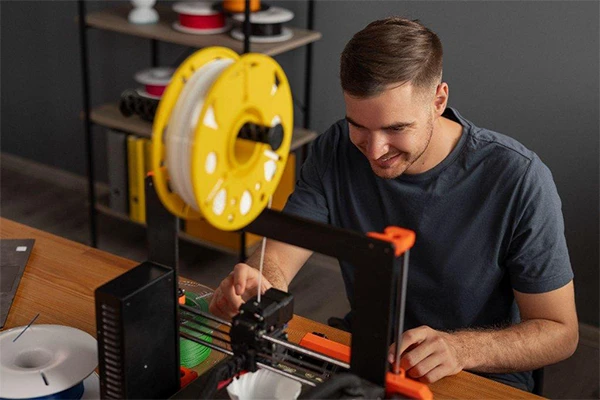
CNC machining is a solid fit for tight-tolerance plastic or metal components. Additive production then helps with prototypes, fixtures, forms, and complex geometry that might be expensive to machine. For teams that require quick design iterations or application-specific components,3d printing services in Sacramento CA can offer another practical option for producing and testing custom parts before shifting into full production.
When machining and additive processes work together, they can speed up design reviews and minimize guesswork.
Advanced Plastic Thermoforming
For covers, trays, housings, panels, guards, and formed plastic shells, advanced plastic thermoforming is perfect. When you require thermoformed parts built around legacy equipment, plastic thermoforming experts can help in matching the material, finish, and geometry.
That is actually important when the machine is older, the part is exposed to difficult conditions, or the original component is no longer present.
Hybrid Manufacturing
Sometimes the best thing one can do is use multiple processes. A thermoformed cover may require machined trimming, printed tooling, inserts, labels, or coatings to meet the full needs. Smarter equipment upgrades become easier to report across multiple machines when these production options improve.
Signs Your Equipment Requires Custom Parts for Upgrades
Rising production expectations can also make standard replacement parts kinda standard. This might work on paper, but the machine has its own history, wear patterns, and quirks. Some of the signs of a smarter custom move are:
Recurring Fit Problems
When every replacement part starts requiring filing, shimming, welding, or that classic maintenance phrase, “just give it a tap,” pay attention. A part that almost fits can still cause real trouble.
Poor fit results in stress to bearings, guards, mounts, and drive components. This mismatch becomes vibration, wear, and another work order nobody wanted.
OEM Parts No Longer Make Sense
Older machines usually outlast the original parts catalog, and it’s frustrating.
For dealing with cracked plastic guards, trays, panels, covers, or obsolete components, copying the old part is not the solution. It needs a repeatable replacement that fits the machine as it exists today.
Bottlenecks Keep Coming Back
If you find out that any part is a recurring problem and the same stoppage happens every month, then it’s not just a maintenance problem.
Failure, fit issues, and slowdowns can all lead to parts that no longer support upgrading machinery. Sometimes machine changed, process changed, either things need to catch up.
Where Standard Parts Fall Short
Once fit, lead time, or material limits start holding you back, the question becomes simple: why do standard parts keep missing the mark?
It happens because they were built for broad use, not your exact operating environment.
The Common Tradeoffs
The thing is, off-the-shelf parts are easier to order, and this is what makes them impressive.
But it doesn’t always mean that it’s easy to install. A cheap component can become expensive fast if the material is wrong, the tolerance is loose, or the shape creates new headaches on the floor.
A Quick Comparison
| Part Choice | Works Well When | Watch Out For |
| Standard replacement | Machine is newer and unchanged | Fit may drift on worn frames |
| OEM part | Catalog support still exists | Long waits or high pricing |
| Custom part | Geometry, material, or use has changed | Needs good engineering review |
When Proprietary Changes Are Needed
Food, packaging, medical, and aerospace equipment needs basic replacement. Special surfaces, guards, covers, guides, and cleanable designs might be needed.
Industrial equipment modifications can actually solve weak points rather than forcing your team to repeat the same repair again next quarter.
Key Advantages of Custom Manufacturing Solutions for Equipment Upgrades
When the standard parts stop doing the job, custom work starts to look less like a luxury and more like common sense. A well-designed part not only improves reliability and safety but also the useful life of the machine.
Better Fit, Less Fuss
Custom parts can be designed around worn housings, legacy mounting holes, odd machine geometry, or space constraints. That is important. If the main asset still has years of productive life left, the interface parts should not be the reason it sits idle.
Materials Chosen for the Job
Heat, chemicals, washdowns, abrasion, impact, and UV exposure can all shorten part life. With custom manufacturing solutions, material selection becomes part of the fix from the beginning.
You are not just asking, “What part can we buy?” You are asking, “What part should this machine actually have?”
Stronger Upgrade Economics
Aftermarket and service margins can be up to four times as high as margins on new units for many OEMs. That also explains why targeted upgrades are easier to justify.
Better fit, stronger materials, and fewer failures can improve uptime and ROI, as long as the upgrade is planned with care.
Top Strategies for Implementing Industrial Equipment Modifications With Custom Parts
Custom upgrades shouldn’t be risky, and with the right step and risk management, practical problems can be solved, and equipment value can be extended.
The point is not just to make a part. The point is to make the machine run better after that part is installed.
Start With the Failure Mode
Before you design anything, do ask what past is important and questions like:
- Is it carrying load?
- Guiding product?
- Shielding an operator?
- Sealing a zone?
- Protecting electronics?
The answer changes the design, material, tolerance, and inspection requirements.
Use Reverse Engineering Wisely
If a worn part is copied exactly, then it’s a trap.
Engineers may need to measure the machine itself, inspect wear points, and adjust the design so the new component fits the current asset, not the ideal version from twenty years ago.
Test Before Full Production
Fit checks, samples, material trials, and operator feedback can help in identifying issues. This becomes important for custom equipment parts used around automation, sensors, moving assemblies, or safety systems.
A little testing up front can save a very long afternoon later.
Real-World Success Stories and Better Supplier Choices
Tailored components often beat “good enough” replacements because they are designed for the job in front of them. Still, the supplier matters as much as the design.
Practical Industry Wins
A food processor can replace cracked washdown guards with chemical-resistant formed plastic. A packaging line may use custom guides to reduce jams. A medical device manufacturer may need cleaner housings for inspection, documentation, and compliance.
Small changes? Sometimes. But small changes can make the line feel completely different.
What to Ask Vendors
You should ask vendors to review drawings, confirm materials, inspect parts, and manage revisions. Also ask who handles technical questions.
Quality is Not Optional
A capable supplier understands tolerances, repeatability, traceability, and regulatory needs. Even a smart design can fail if production control is sloppy.
Reliable sourcing solves today’s problem, and good planning helps you avoid tomorrow’s emergency.
Final Thoughts on Smarter Equipment Upgrades
Custom parts comes in picture when standard replacements no longer fit the machine, the job, or the budget. The right custom equipment parts can reduce downtime, extend machine life, and help older assets stay productive.
Strong equipment upgrades often begin with certain failures, not the catalog. They are influenced by good reviews, testing, materials, and supplier skill. So, don’t rush to replace when a machine still has value. Try to fix the weak point with purpose, and give that equipment a fair shot at its next chapter.
Common Questions About Custom Parts and Upgrades
1. Does Adding Aftermarket Parts Increase Value?
Ans: It can, if the part improves uptime, safety, compliance, or output quality. Value comes from the result, not the label. Poorly chosen aftermarket parts can hurt reliability, so engineering review matters.
2. Are AutoZone Parts Considered Aftermarket?
Ans: Yes, many parts sold through AutoZone are aftermarket, though some may come from brands that also supply original equipment channels. For industrial machines, the same idea applies: confirm fit, material, and duty cycle before buying.
3. Can Custom Parts Help Older Equipment Meet Current Standards?
Ans: Often, yes. Custom guards, covers, shields, access panels, and material changes can help older assets meet safety or sanitation needs.