The concept of different collar jobs is widely used to classify occupations based on work type, industry, and skill level.
Most probably, you’ve heard of white-collar jobs and blue-collar jobs. Besides these two, there are many more categories. These types of collar jobs represent a unique segment of the workforce.
If you want to understand what are all the collar jobs, this guide is for you.
Here, I will break down different collar jobs, collar meanings, and more.
Let’s get started!
What are Collar Jobs?

Collar jobs refer to the categories of work grouped by the nature of work, skills, industries, and more.
Did You Know: The term “collar jobs” was coined in the early 20th century when clothing directly reflected the profession and social class of an individual.
In today’s day and age, this classification serves many purposes.
- Analysis of the workforce for businesses and policymakers
- Career guidance for students
- Develop training programs as per the required skills
Understanding different collar jobs can help job seekers like you make informed decisions. It also enables employers to generate proficient recruitment strategies.
Types of Different Collar Jobs (Complete List)
Now it’s time to check out different types of collar jobs.
White Collar Jobs

What does a white-collar worker mean? A white-collar worker is someone who works in an office or a professional environment. These types of collar jobs include professional, managerial, and administrative roles primarily performed in office environments.
Examples of White Collar Work: Accountants, corporate managers, engineers, architects, and more.
Key Traits: Desk-based work, higher education required, salaried person
Blue-Collar Jobs

Blue-collar jobs represent manual labor and skilled trades professionals. These jobs often exist in the manufacturing, construction, warehouse, delivery, security, and maintenance sectors. They are often paid hourly and have a high demand for skilled trades.
Examples of Blue Collar Jobs: Electricians, plumbers, construction workers, factory operators, mechanics, truck drivers, and more.
Key Traits: Hands-on work, skill-based training, hourly wages
Pink Collar Jobs

What is pink-collar work? These types of jobs are typically service-oriented roles that are historically associated with women.
Pink collar jobs focus on caregiving, interpersonal skills, customer service, and more.
Examples of Pink Collar Jobs: Nurses, teachers, receptionists, caregivers, flight attendants, and more.
Key Traits: Service industry, people-focused roles, communication skills
Brown Collar Jobs

Brown-collar jobs typically include military officers or someone serving in the guard army, like soldiers, space force, air force, marines, and more. The personnel have high levels of endurance, physical fitness, discipline, leadership, and strategic decision-making.
Examples of Brown Collar Jobs: Military officers, soldiers, air force, and marines
Key Traits: Structured, physical, and mission-driven
Green Collar Jobs

What is a green collar worker? These types of workers typically work in sustainable industries like solar and wind energy. The roles include solar installers and environmental lawyers. It is one of the rapidly expanding categories.
Examples of Green Collar Jobs: Renewable energy technicians, solar panel installers, renewable energy engineers, and more.
Key Traits: Eco-friendly work, sustainability focus, high need for training
Black Collar Jobs

Black collars represent jobs in the heavy industries like mining or sometimes illegal or underground work. It is a high-risk, labor-intensive task often performed in dirty or dangerous conditions. There are a lot of environmental factors, like dirt and debris, at play.
Examples of Black Collar Jobs: Miners, oil rig workers, sanitation workers, coal industry workers
Key Traits: Physically demanding, high-risk environments, specific skill set
Gold Collar Jobs

Gold collar category of workers represents highly skilled professionals with specialized expertise. These individuals have high earning potential.
People in gold-collar jobs typically have advanced education, certifications, or specialized expertise.
Examples of Gold Collar Jobs: Doctors, engineers, scientists, top-level consultants, senior executives
Key Traits: Advanced education, specialized knowledge, high salaries
Red Collar Jobs

Red collar jobs encompass government workers of all types. It is easiest to describe from different collar jobs. This is a job type whose salary is provided by the government.
Examples of Red Collar Jobs: Government officials, public administrators, policymakers.
Key Traits: Public service roles, stable employment, diverse roles
Orange Collar Jobs
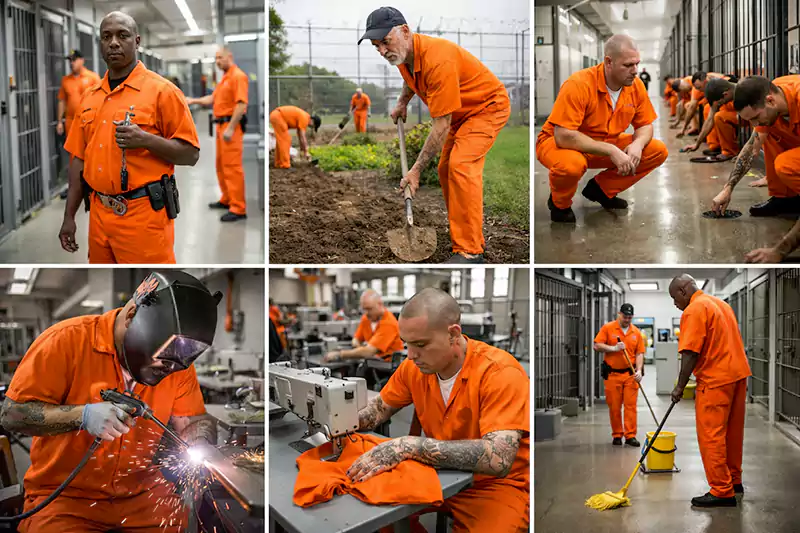
Orange-collar jobs are related to prison labor or correctional industries. The name for this category comes from the orange jumpsuit commonly worn by the prisoners. These jobs play a key role in institutional operations or maintenance while the workers are incarcerated.
Examples of Orange Collar Jobs: Prison workers, inmates working in labor programs
Key Traits: Institutional work environment, inmate workforce, manual labor
Purple Collar Jobs

Purple-collar jobs combine both manual and professional skills. In simple terms, it is the combination of blue collar and white collar. These personnel hold the tech and tools together.
Examples of Purple Collar Jobs: IT technicians, trades supervisors, engineering techs
Key Traits: Hybrid skill set, technical expertise
Yellow Collar Jobs

People who work in creative fields and media industries are called yellow-collar workers. The term “yellow collar jobs” is still gaining traction. Professionals in these jobs operate in flexible project-based roles.
Examples of Yellow Collar Jobs: Filmmakers, designers, creative directors, writers, photographers
Key Traits: Creativity-driven, flexible work environments
Also Read: What is a hiring manager?
Why Collar Job Classifications Matter
You might think why should we learn about different collar jobs.
Well, it can help you understand many things. Here is the list.
- Identify Career Paths – Helps in exploring various industries and roles.
- Understand Skill Requirements – With this knowledge, you can determine the specific technical skills required for a job.
- Compare Salary Expectations – Research average compensation for different roles to ensure they meet your goals.
- Choose the Right Profession – Knowing about all the collar jobs will help you in making an informed career decision.
By reading this, you can gauge how the modern workforce has evolved from just white and blue-collar jobs.
How to Choose the Right Collar Job for You
When choosing the right collar for your career, you are not just picking a job title, It’s a commitment!
That is why it is important for you to choose the right collar job. Here is how:
- First, you must assess your personality and interests. Select a few collar jobs that suit your personality and interests.
- Then you can check the must-haves and values of the jobs.
- Research the day-to-day responsibilities through various job hunting sites. You can also use a career quiz to find a suitable job.
- Now check if the job requires any special training, skills, or certification.
- Must research the industry you are getting into. Check if hiring demand is high and it has potential for advancement.
- Make an informed decision based on the SWOT (Strengths, Weaknesses, Opportunities, and Threats) analysis.
Also Read: 90 Good Questions To Ask In An Interview
Conclusion
Over time, the concept of different collar jobs has evolved significantly.
Traditionally, we were only used to seeing white-collar and blue-collar jobs. But now there are a lot of categories like green, gold, and purple collar jobs. The classification of different collar jobs helps us better understand the workforce.
FAQs
1. What are collar jobs?
Ans: Collar jobs are a classification of work based on job type, skills, and work environment.
2. What is a white-collar job?
Ans: A white-collar job is classified as an office-based professional role, such as a manager or accountant.
3. What is pink-collar work?
Ans: Pink-collar jobs are categorized as service-oriented jobs like nursing, teaching, and caregiving, typically occupied by women.
4. What is a green collar worker?
Ans: A green-collar worker works in environmentally sustainable industries.