People running a business know that handling risks is part of their work. There are several risks, like unexpected shifts in the market, government changes that can impact a business, and many other risks that can be hard to face without preparation. That’s why companies that have a prepared plan and know risk management survive these hazards effectively.
No one can run a business without facing risks; that’s why a good risk management framework is very important to keep a business running. When a company is ready to face any crisis, risks, and hazards, this means they already have a good sense of risk management.
Identifying Common Business Risks
To manage risk effectively, you first need to understand what you’re dealing with. Risks can appear in different categories. This helps you organize your thoughts and make sure you don’t miss anything important. The most common risks are financial risks, like not having enough cash or credit problems, and operational risks, which are related to your daily processes, supply chain, or equipment.
Then come the strategic risks, such as a new competitor showing up or a change in what customers want. In the end, compliance and legal risks involve staying on the right side of regulations and avoiding potential lawsuits. Knowing these common small business risks is a basic but important step that gives you a clear picture of the specific threats every business faces.
Assessing Impact and Likelihood
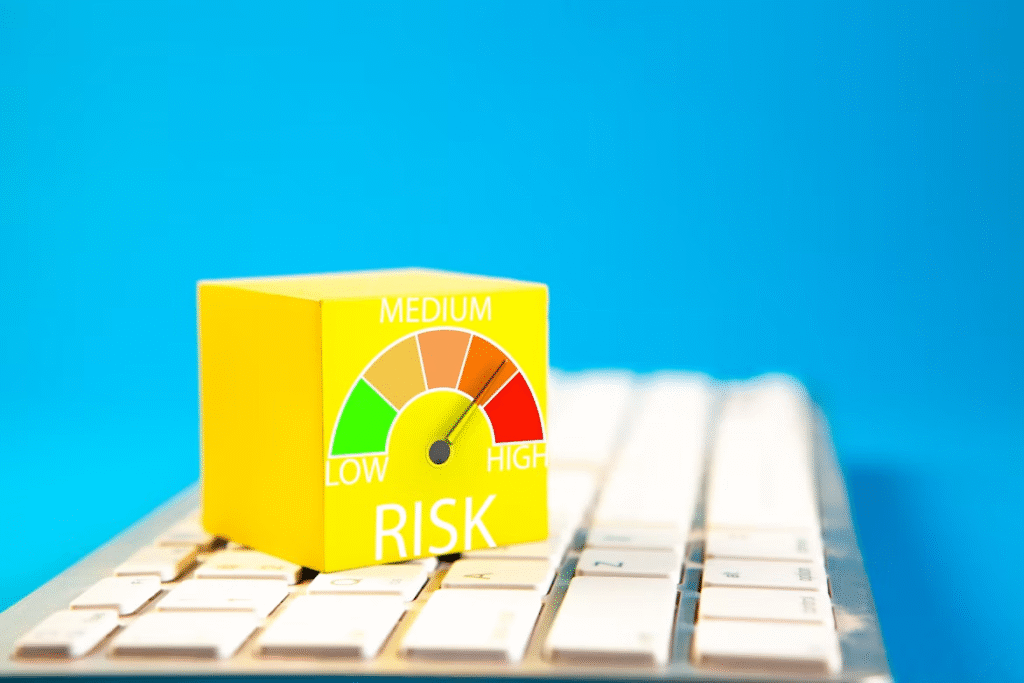
Once you have a list of potential risks, you need to decide which one is most important. Not all threats are equally alarming. A simple way to do this is to compare each risk based on two things: how much it could affect your business and how soon it will happen.
A risk that has a big impact and can occur in a short duration (like a key supplier going out of business) needs your attention first. A risk with little impact that does not have any major chances of happening (like a small typo on your website) can wait or even be accepted. This quick comparison helps you focus your limited time and resources on the most important issues, so you don’t get distracted by minor concerns.
Mitigating Physical and Operational Hazards
Physical and operational hazards are some of the most common risks a business faces. These can include anything from employee injuries and equipment damage to natural disasters and the need for a fire and smoke curtain installer. Being proactive is important for these situations. This means following the regular maintenance schedules for all machinery, setting clear safety rules for staff, and having good security is mandatory to protect your assets.
For property owners and managers, fire safety should be prioritized. This goes beyond just having fire extinguishers; it means making sure you have a system that can face these issues. Taking these practical and simple steps helps create a safer, more stable environment for your business to operate.
Financial and Cyber Risk Planning
In today’s digital world, financial and cyber risks are connected in most of the cases. Just one data breach can lead to huge financial losses, data leaks, regulatory fines, and a loss of customer trust. Your plan should treat both of them equally. For financial health, keep a cash reserve, carefully monitor your cash flow, and keep your business interruption insurance.
On the cyber front, basic security is important. This means using strong passwords, turning on two-factor authentication, regularly backing up data, and training your employees to prevent phishing scams. There are many risk management strategies to apply, but being consistent is what really saves you. These steps protect your bottom line and the business information you’re responsible for.
Building a Resilient Business Culture
Your team is your biggest asset and your first defense against every risk. A resilient business culture is one where employees feel empowered and encouraged to find potential problems without worrying about getting blamed. This starts at the top. When leaders openly talk about risks and plans, it shows that everyone has a part to play in keeping the company secure. Regular training on safety procedures, cybersecurity best practices, and operational guidelines reinforces this idea. An open-door policy for reporting problems, whether it’s a small safety concern or a suspicious email, can help you treat problems early before they turn into bigger crises.
Being proactive about risk management isn’t just about preventing mishaps; it’s a strategic move that builds a stronger, more adaptable, and more successful business. By consistently identifying and preparing for challenges, you put your company in a position to not only survive but also be profitable in an uncertain world.
Frequently Asked Questions
- What are the main types of business risks?
The main types of business risks are financial, operational, supply chain, strategic, legal, and compliance risks.
- How to reduce physical, financial, and cyber risks in a business?
Following considerations like regular equipment maintenance, following safety rules, maintaining cash reserves, keeping insurance, using strong passwords, applying two-factor authentication, and maintaining regular data backups can reduce physical, financial, and cyber risks in a business.
- What is the importance of a resilient business culture?
A resilient business culture is very important because employees report problems earlier, everyone follows safety and cybersecurity concerns, and takes part in risk management together in such an environment.