

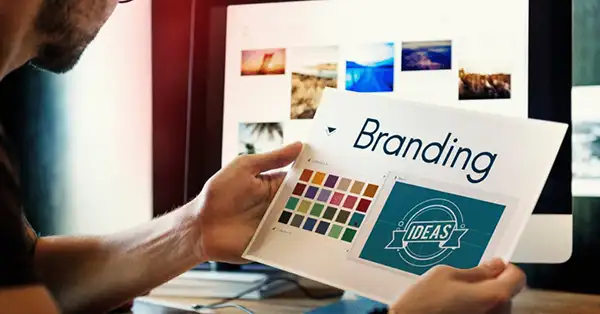
Digital printing has changed how brands produce and distribute physical marketing materials. Traditional print methods were limited in many ways as they required large runs, long lead times, and restricted personalization.
Furthermore, digital printing gets rid of these constraints and allows brands, irrespective of size, to operate with greater speed and precision. This clever integration also reduces waste and improves efficiency considerably.
Let’s understand how this approach is aligned with real marketing needs such as customization, testing, and rapid deployment.
Key Takeaways
- On-demand printing offers various benefits like lower upfront inventory costs, reduced risk of outdated materials, and faster response to changes.
- Variable data printing allows brands to change text, images, or offers based on their analysis of the market.
- QR codes and unique URLs have allowed print media to smoothly integrate with digital campaigns and their processes.
- Digital insights allow brands to optimize their products and campaigns according to the customer’s needs, allowing them to match market trends.
Move From Bulk Production to On-Demand Printing
Traditional print marketing depended on volume. Large orders reduced the cost per unit but increased the risk. If messaging changed or inventory went unused, the loss was significant.
Digital printing supports on-demand production. Brands can produce smaller quantities depending on the current demand instead of estimating far in advance.
This reduces waste and allows campaigns to stay relevant.
Benefits of On-Demand Printing
- Lower upfront inventory costs
- Reduced risk of outdated materials
- Faster response to market changes
This approach aligns production with actual usage instead of projections.
Enable Personalization at Scale
Personalization is a huge advantage of digital printing. Each printed item can be tailored without changing the production rate.
Variable data printing allows businesses to alter text, images, or offers based on their own customer data, thus creating more opportunities for targeted messaging.
Need a different hero image for each of those versions? GPT Image 2 integrated within a creative platform like Higgsfield can produce them from one base design before the files go to print.
These personalized materials improve engagement as they feel much more relevant to the recipient.
Integrate Print With Digital Campaigns
Digital printing works best when connected to broader marketing systems. Print is no longer separate from digital. It complements it.
Campaigns can be changed by user behavior. For example, a customer’s action online can start a personalized print piece, creating a coordinated experience across various channels.
Tracking mechanisms such as QR codes generated through a QR code maker and unique URLs connect print media back to digital platforms, allowing performance to be measured more precisely.
Improve Speed to Market
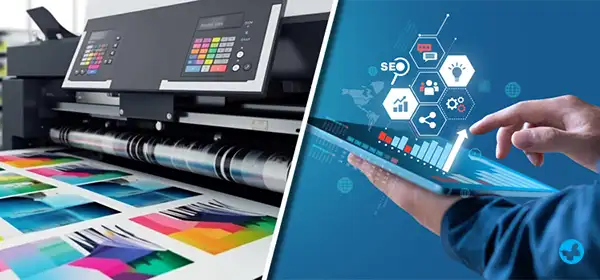
Speed is key in modern marketing as campaigns need to launch quickly and adapt to be successful.
Digital printing reduces setup time because files can be sent directly to the production stage without complex preparation.
Shorter cycles make it possible for brands to accurately respond to newer trends while still staying relevant.
Support Product and Packaging Customization
Digital printing is not just restricted to marketing materials. It also applies to thoughtful packaging and effective product branding.
Brands can create limited offers, seasonal variations, or region-specific designs without messing with the speed of the production channels.
This flexibility allows for more experimental opportunities as new designs can be tested without committing to large volumes.
Additionally, it enhances brand differentiation because customized packaging appears more unique than generic designs.
Fun Fact
Digital printing utilizes a non-contact method where inkjet nozzles directly spray ink on the substrate, reducing prep time and labor considerably.
Reduce Waste and Improve Efficiency
Sustainability is becoming a priority in marketing operations. Digital printing supports this by reducing excess production.
Because materials are printed on demand, there is less unused inventory.
Ink and the usage of materials are also more efficient compared to older methods.
Efficiency Gains From Digital Printing
- Reduced overproduction and storage needs
- Lower material waste during setup
- More precise use of resources
These improvements decrease the impact on the environment while also being cost-effective.
Maintain Consistency Across Distributed Teams
Large enterprises often operate across multiple locations, and maintaining brand consistency in printed materials can prove to be tough.
Digital printing systems allow for full centralized control over the design files and templates. Teams can access approved assets and produce materials locally.
This ensures that branding remains consistent while still allowing flexibility in production.
Platforms like Imprint Now support this approach by allowing businesses to manage and produce customized printed products efficiently across different teams spread out in multiple locations.
Consistency becomes easier to maintain without slowing down execution.
Use Data to Optimize Print Performance

This method allows for better tracking and optimization. Each campaign can be measured and refined.
By linking print material to digital insights, brands can analyse how recipients respond.
This data can be utilised to adjust design, messaging, or targeting in future campaigns.
Metrics to Monitor
- Response rates from printed campaigns
- Conversion rates linked to specific designs
- Performance differences across audience segments
Using this data improves the effectiveness of print over time.
Expand Use Cases Beyond Traditional Marketing
Digital printing opens new opportunities that weren’t really practical before, including short-run promotions, event-specific materials, and customizable merchandise.
Brands are now able to produce items that are aligned better with specific campaigns or audiences without committing to large-scale production.
This flexibility makes print a more active part of a dynamic marketing strategy rather than a static channel.
Final Take
Digital printing has transformed brand marketing by making it quicker, more flexible, and better aligned with real-time requirements. It replaces bulk production with dynamic systems, allowing personalization at scale.
The impact is operational as well as strategic, with brands being able to test, adapt, and optimize without the restrictions of traditional printing.
When these are integrated smoothly with digital systems and data, print becomes a responsive and measurable part of the marketing mix.
FAQs
1. How is personalization enabled at scale?
Ans: Dynamic systems have made it possible to tailor every campaign and product to the changing needs of the customer without affecting the production rate.
2. How do brands learn more information about their campaigns?
Ans: Linking print materials to digital insights has allowed brands to check response and conversion rates, while also determining the performance of the campaign using various indicators.
3. What measures are taken to reduce wastage?
Ans: Wastage is minimized as sustainability prevails by producing printed products on demand, rather than proceeding with bulk production based on estimations and projections.
4. How is print integrated with digital campaigns?
Ans: QR codes and unique URLs connect print media back to digital platforms, allowing performance to be measured precisely.
