Credit card terminals are devices that have evolved from simple card readers into sophisticated payment hubs capable of processing contactless payments, integrating with mobile systems, and protecting sensitive financial data.
This article shows the development of credit card terminals from their mechanical origins to today’s intelligent devices. We’ll examine the features that define modern payment systems, know what businesses should prioritize when selecting equipment, and explore the security protocols that protect both merchants and customers.
From Imprinters to Intelligent Systems
The first credit card transactions were low-tech on purpose. Merchants used manual imprinters—often called “knuckle busters”—to create carbon copies of embossed card numbers. The process was slow, prone to errors, and provided virtually no fraud protection. As electronic payment networks emerged in the 1970s and 1980s, the first generation of electronic terminals replaced these mechanical devices, reducing transaction times on a large scale and introducing basic verification systems.
The change accelerated in the 2000s with the introduction of EMV chip technology, which significantly reduced card-present fraud by encrypting transaction data. Today’s terminals bear little resemblance to their predecessors. They offer contactless payments via NFC technology, integrate with mobile point-of-sale systems, and provide real-time transaction analytics. Many can process several payment types—from traditional magnetic stripe cards to digital wallets like Apple Pay and Google Pay—on a single device.
This evolution came with broader changes in consumer behavior and technological capability. As payment methods diversified, terminals had to become more adaptable, more secure, and more user-friendly for both merchants and consumers.
Essential Features of Contemporary Payment Terminals
Modern credit card machines provide capabilities that extend well beyond basic transaction processing. Understanding these features helps businesses select systems that align with their operational requirments:
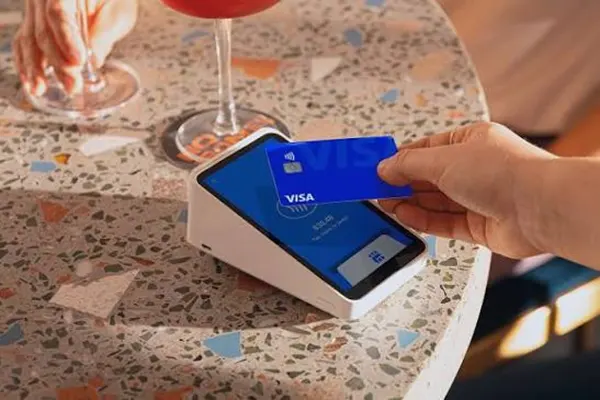
- Contactless Payment Processing: NFC-enabled terminals allow customers to make transactions by tapping cards or smartphones, reducing physical contact and speeding up checkout times—a feature that became especially valuable during the COVID-19 pandemic.
- Mobile and Wireless Integration: Bluetooth and Wi-Fi connectivity allow terminals to function independently of fixed locations, supporting pop-up shops, outdoor markets, and any common restaurant service.
- EMV Chip Reading: Chip card technology creates unique transaction codes that can’t be reused, making it substantially harder for fraudsters to clone cards or steal data.
- Multi-Currency Capability: For businesses targeting international customers, terminals that process transactions in multiple currencies eliminate conversion complications and enhance the customer experience.
- Digital Receipt Delivery: Email and SMS receipt options decrease paper waste while providing customers with easily accessible transaction records.
- Integrated Reporting: Many terminals now provide built-in analytics that track sales patterns, inventory movement, and peak transaction times, offering valuable business intelligence.
These capabilities showcase more than convenience—they’re increasingly expected by consumers accustomed to frictionless digital experiences. Retailers that lag in adopting these technologies risk losing customers to competitors with more streamlined checkout procedures.
Selecting the Right Terminal for Your Business
Selecting a credit card terminal requires balancing immediate needs against long-term business goals. Several factors should guide this decision:
- Total Cost of Ownership: Look further the initial purchase price to consider transaction fees, monthly service charges, maintenance costs, and potential upgrade expenses. Some vendors provide lower upfront costs but charge higher per-transaction fees that add up over time.
- System Compatibility: Make sure that the terminal integrates smoothly with your existing point-of-sale software, accounting systems, and inventory management tools. Incompatible systems bring operational bottlenecks and data silos.
- Payment Method Support: Ensure that the terminal accepts all payment types your customers use—credit and debit cards, contactless payments, mobile wallets, and potentially emerging technology like cryptocurrency.
- Ease of Use: Complex interfaces slow down transactions and increase training time for staff. The best terminals balance enhanced functionality with intuitive operation.
- Security Compliance: Verify that any terminal meets current PCI DSS standards and supports end-to-end encryption. Non-compliant systems expose businesses to both information breaches and regulatory penalties.
- Vendor Support: Reliable technical support becomes critical when systems malfunction during busy business hours. Evaluate vendors based on support availability, response times, and the quality of their service documentation.
For businesses ready to invest in payment infrastructure, terminals that balance functionality with value can offer the capabilities needed without unnecessary complexity. The key is matching terminal features to actual business requirements, like modular email designs instead of paying for capabilities you won’t use.
Security Architecture in Modern Payment Systems
As payment systems have become more critical, so have the threats they face. Modern terminals employ multiple layers of security to protect transaction credentials:
- Point-to-Point Encryption (P2PE): This technology encrypts card information the moment it’s captured, ensuring that information remains protected throughout the whole transaction process. Even if a breach occurs, encrypted information is useless without the decryption keys.
- Tokenization: Instead of storing actual card numbers, tokenization systems substitute unique identifiers that have no value outside the specific transaction context. This dramatically decreases the risk associated with data storage.
- Secure PIN Entry: Specific hardware and software protect PIN entry from keylogging and other interception methods, ensuring that authentication credentials remain confidential.
- Regular Security Updates: Like any connected device, payment terminals need ongoing software updates to spot newly discovered vulnerabilities and maintain compliance with evolving security standards.
Compliance with Payment Card Industry Data Security Standards isn’t just a best practice—it’s a legal requirement for any business that processes card payments. Non-compliance can result in substantial fines, increased transaction fees, and in worst cases, the loss of the ability to accept card payments entirely. Beyond regulatory requirements, robust security protects brand reputation and customer trust, both of which are tough to rebuild once compromised.
Navigating the Terminal Marketplace
The market for credit card terminals comes with new equipment from manufacturers, certified refurbished units, and rental options. Each approach has distinct advantages relying on business circumstances:
- New Equipment: Buying new terminals ensures access to the latest features, full manufacturer warranties, and maximum device lifespan. This option makes sense for businesses planning long-term use or needing cutting-edge capabilities.
- Certified Refurbished Units: Professionally refurbished terminals provide significant cost savings while still providing reliable performance. Reputable vendors test and certify these devices to meet authentic specifications, making them viable for budget-conscious businesses.
- Rental and Lease Programs: Some companies prefer rental arrangements that include maintenance, upgrades, and support as part of a monthly fee. This approach reduces upfront costs and ensures access to the latest technology, though total costs over time may exceed outright purchase prices.
When evaluating vendors, research their goodwill through industry reviews and customer testimonials. Compare not just prices but also what’s included—some vendors bundle training, technical support, and warranty coverage, while some charge separately for these services. Understanding the complete package helps identify the best value instead of simply the lowest price.
The Next Generation of Payment Technology
Multiple emerging technologies are poised to reshape payment terminals over the next decade:
- Biometric Authentication: Fingerprint and facial recognition systems are starting to replace PINs and signatures, offering faster authentication with enhanced security. As these technologies mature and costs reduce, expect wider adoption across payment terminals.
- Artificial Intelligence Integration: AI-powered terminals can spot unusual transaction patterns that may indicate fraud, optimize checkout flows based on customer behavior, and offer predictive analytics about sales trends.
- Blockchain-Based Payments: While still emerging, blockchain infrastructure promises to reduce transaction costs and settlement times while increasing transparency. Some forward-thinking retailers are already expecting a future with cryptocurrency acceptance.
- Internet of Things Connectivity: As retail environments become more connected, payment terminals will rapidly communicate with inventory systems, customer relationship management platforms, and supply chain networks to curate integrated retail ecosystems.
- Enhanced Contactless Range: Next-generation NFC technology will enable payments from greater distances, potentially allowing customers to complete transactions without removing items from shopping carts.
Why Payment Infrastructure Matters
Credit card terminals showcase more than simple transaction tools—they’re critical infrastructure that shapes customer experience, operational efficiency, and business security. The shift from mechanical imprinters to intelligent payment hubs reflects broader technological progress and changing consumer expectations. As payment methods continue to diversify and security threats become more sophisticated, the importance of robust, adaptable terminal systems will only increase.
Businesses that treat payment infrastructure as a strategic asset, like youth HR management instead of a commodity expense, gain competitive advantages through faster transactions, better security, and richer data insights. The terminals you select today will influence your operational capabilities for years to come, making informed selection essential. By understanding the technology, evaluating options responsibly, and staying aware of emerging trends, retailers can build payment systems that serve both current requirments and future growth.
FAQs
1. What is a credit card terminal?
Ans: A credit card terminal is a device that processes electronic payments. Modern terminals support chip cards, contactless payments, digital wallets, and transaction reporting.
2. What should businesses consider when choosing a credit card terminal?
Ans: Businesses should compare total costs, compatibility with existing systems, supported payment methods, ease of use, security compliance, and vendor support.
3. How do modern payment terminals protect customers’ data?
Ans: Modern terminals use security measures such as point-to-point encryption, secure PIN entry, and regular software updates to protect payment information.