


The already complicated year-end payroll becomes more difficult, with small errors becoming expensive when multiplied across dozens or hundreds of employees and contractors.
A misspelled name, incorrect Social Security number, wrong work class, or late information return can create a correction request, delay tax reporting, or trigger an IRS penalty. For 2026 information returns, for example, the IRS can charge $60 per return for filing up to 30 days late, with penalties increasing to as much as $340 per return for returns filed after August 1 or not filed at all.
You don’t have to survive the chaotic January; you need to build the right process before January arrives.
Managers can turn a stressful annual scramble into a predictable workflow with reliable HR resources, accurate employee and contractor data, a clear year-end payroll checklist, and the right payroll management software.
This guide lists the most common year-end payroll challenges, the cost of getting them wrong, and five practical ways to streamline the process so your team can close the year with fewer errors and fewer last-minute surprises.
Let’s get started.
Why Year-End Payroll Reporting Is So Painful
It’s distinct from regular pay runs. Everything has to be perfect.
Every W2. Every 1099. Every number. Every name. Every Social Security number.
The problem?
HR divisions are already busy. Shockingly, 35% of HR time is spent on payroll tasks…. Leaving minimal time to find mistakes BEFORE they’re reported to the IRS.
That’s where great tools come in handy. Resources like AMS W2 and 1099 software allow HR sections to take on the cumbersome task of year-end payroll with ease. They help generate clean forms and electronically file them before they’re buried in paperwork. Great HR resources are no longer a nice-to-have. They’re the difference between sitting at your desk in January and flooding in IRS letters.
Here’s what makes year-end so tough:
- Multiple form types (W2, W3, 1099-NEC, 1099-MISC and more)
- Stringent IRS deadlines
- Employee data that needs to be verified
- Contractor data that needs to be tracked separately
- State-specific reporting practices
- Corrections that need to be filed if you make a mistake
Miss one detail and you’ll pay for it. Literally.
The Real Cost Of Getting It Wrong
Payroll fines are no joke.
The IRS assessed more than 4.4 million payroll penalties totaling almost $26.9 billion in FY 20.24. Literally. $26.9 billion. Billion with a B.
Bad things can occur to small businesses too. About 40% of small to mid-sized businesses incur a payroll penalty each year. The average penalty amount per business is $845.
Common mistakes that trigger these penalties include:
- Absent or incorrect Social Security numbers on W2s
- Filing after the deadline
- Misclassifying employees as contractors (or the other way around)
- Late tax deposits
- Wrong wage totals
All of these are preventable with proper procedure. Which leads to…
5x Ways To Streamline Your Year-End Payroll Reporting
Here are the precise strategies that can turn a year-end crazed manager into a year-end barely-here manager. None of them are difficult. And each of them works.
Audit Employee Data Early
Don’t delay until December.
Begin your employee data audits in October or November. Verify that each employee’s name, address, and Social Security number match SSA records. This single step will eliminate hours of revision work in January.
Send out a brief email to all employees asking them to verify their information. Correct any discrepancies immediately. Not tomorrow.
Automate the W-2 and 1099 Process
Manual payroll is where blunders happen. Especially when you’ve both W2 and 1099 employees:
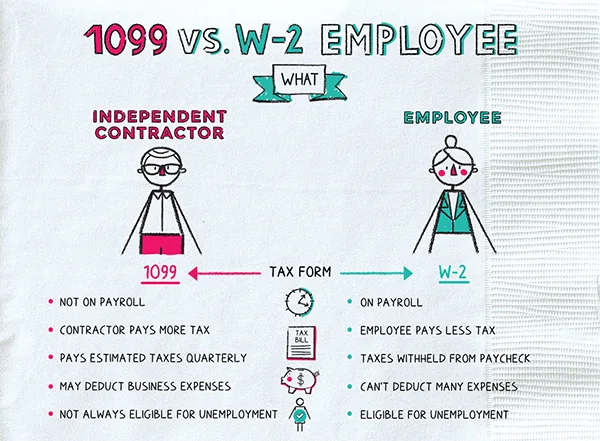
When you have hundreds of forms, mistakes like these are common:
- Spreadsheets are misentered.
- Numbers are flipped.
- Names are misspelled.
And these small mistakes multiply quickly.
Payroll management software eliminates that prospect. It imports clean data, applies accurate tax tables, and prints out every form electronically. This keeps payroll deduction calculations proper. Businesses have seen payroll processing times reduce by as much as 90% when automating previously manual processes.
When choosing software, look for:
- E-filing for W2s and 1099s
- Support for multiple form types
- Built-in error inspections
- State reporting features
- Affordable pricing
Build A Year-End Payroll Checklist
Nothing tops a good checklist.
List everything that has to take place from November to January. Add deadlines, responsible parties, and check-in dates. Then…tick off the list.
An essential year-end checklist should cover:
- Employee data verification
- Bonus and non-cash income reporting
- Conclusive payroll run of the year
- W2 and 1099 generation
- Electronic filing with the SSA and IRS
- Employee delivery (by January 31)
Reconcile Quarterly Before Year-End
This one gets overlooked a lot.
Run reconciliations of your quarterly 941s to payroll before year-end. That way you know if there’s a problem in November… NOT April.
Examine:
- Total wages paid
- Total taxes withheld
- Full tax deposits made
- Any adjustments or corrections
If the numbers don’t match, dig in and fix them now.
Train Your HR Team On Deadline Compliance
Deadlines matter more than most administrators realize.
IRS Penalty Clock starts on the original due date of the return, not when they contact you. You accrue penalties for each day you’re late.
Pivotal year-end payroll deadlines to remember:
- January 31 — W2s to employees and SSA
- January 31 — 1099-NEC to contractors and IRS
- February 28 — Paper 1099-MISC filing
- March 31 — Electronic 1099-MISC filing
Mark your calendars. Set reminders two weeks prior. Then file everything beforehand.
The Best HR Resources For Payroll Management
Beyond good software, there are a few HR resources every payroll manager should bookmark.
These are the go-tos:
- The IRS Payroll Professionals Tax Center for form updates
- SHRM for compliance news and best practices
- The SSA’s Business Services Online portal for W2 filing
- State Department of Revenue websites for state-specific regulations
- Payroll industry blogs for ongoing training
Efficient payroll doesn’t mean just using tools. It also means knowing what’s going on, staying organized, and maintaining processes already developed BEFORE payroll time comes around.
Bonus tip: Create a folder of all your favorite HR resources so your team can easily find them. When a deadline is looming, no one has time to re-search Google.
Putting It All Together
Year-end payroll reporting doesn’t have to be the torment it usually is.
Here’s the quick recap:
- Audit employee data early
- Automate W2 and 1099 generation with the correct software
- Build a year-end checklist and stick to it
- Reconcile quarterly filings before December
- Prepare the team for every key deadline
Combine those steps with quality HR resources and dependable payroll software, and year-end reporting hardly seems like a chore.
The IRS will not get any easier. Fines are not going down. But with a system in place, it does not matter. Your forms will file timely, your data will be clean, and the entire staff can concentrate on the things that matter… assisting the employees that keep your business going.
FAQs
1. What is year-end payroll reporting?
Ans: It’s the process of reviewing annual employee and contractor compensation records and preparing required tax and information returns.
2. When are W-2 forms due?
Ans: Form W-2 is generally due to employees and the Social Security Administration by January 31 following the tax year.
Ans: Form 1099-NEC is generally due to both the recipient and the IRS by January 31. Form 1099-MISC is generally due to recipients by January 31 and to the IRS by February 28 when filed on paper or March 31 when filed electronically.
3. When are 1099 forms due?
