


Quick Answer: US ETF and S&P 500 perks are becoming the new normal in HR workflows. Employees are preferring to get their benefits in stock. The ETFs are cost-effective and also provide trading flexibility. But there are some compliance and regulatory challenges associated with cross-border exchange. Integrating US ETFs and the S&P 500 requires data privacy, security, and risk management.
Ask any employee, especially a remote employee, what they want besides an increment; honestly, the answer might be a stock. As US stocks are becoming a trend in today’s era, if someone has even a little in the S&P 500, they feel superior and better than others, right? The companies that offer these perks are considered to be better and more advanced.
But the main challenge is doing all of this across borders, where it’s easy to turn these into paperwork. Read the full blog to learn how to invest in US ETFs from Malaysia and more.
The Evolution of Global Employee Benefits and Modern Compensation Tech
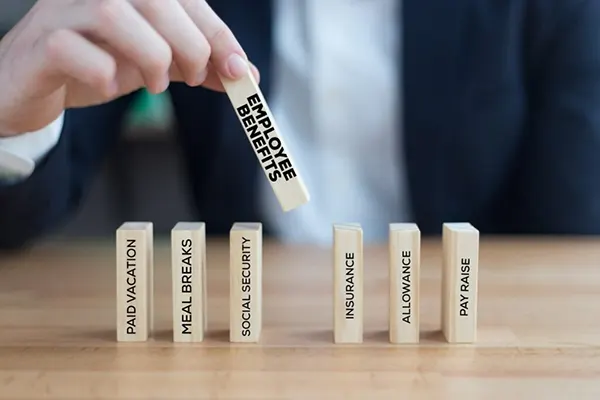
In the early days, benefits used to be mostly things like insurance and pensions, but now it’s changing and evolving. Now startups are coming up with different ideas and options. And honestly, their ideas are working as well. People are preferring some kind of equity as a benefit.
It doesn’t matter whether employees are in Berlin or Manila; they all want the same thing. Companies are also offering equity-style incentives to staff outside their home country. It’s also risky for employees to manage their own shares. For example, if a year is bad for the company, then the employee’s savings and job can be hard to maintain.
Companies are shifting from fragmented payroll providers to compensation tools like Workday. It actually integrates payroll, compliance, and benefits administration.
Technical Architecture: Connecting HRIS Platforms with Financial APIs
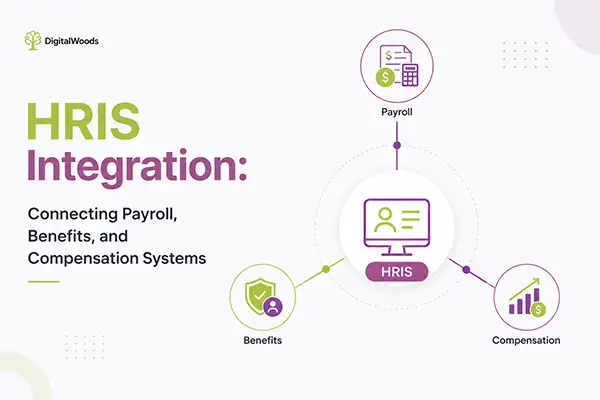
Understanding it is easy if we consider it in layers:
- HRIS: includes the facts about people, meaning country, pay, and employment status.
- Middleware: it includes payroll management, vesting date, and shows it as instructions.
- Broker: consists of opening accounts, buying funds, and sending confirmation.
When these steps are completed, confirmation is sent to match the records. It’s better to use idempotency keys and keep your own ledger.
Offering US ETFs and Index-Linked Perks to International Remote Teams

Now, there’s a trend evolving, giving ETFs and index-linked perks to international remote teams. It solves the problems of cross-border friction points.
Advantages of ETF and index-linked perks are:
- It protects employees from local currency depreciation and helps maintain their purchasing power.
- It also offers quick liquidity, exposure with low risk, and low expense ratios.
- Index-linked perks create fair and equal benefits across borders.
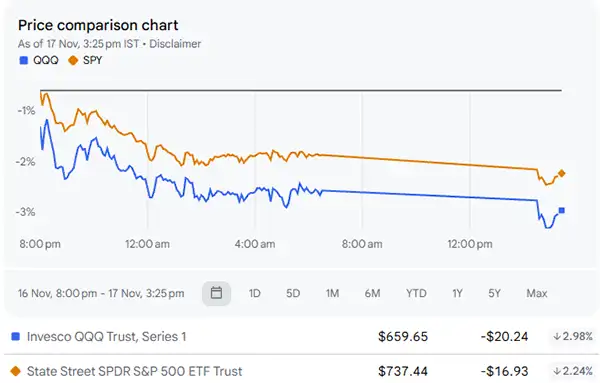
These are cost-effective and provide trading flexibility. For a Malaysian investor, buying US stocks in an ETF through a licensed, best trading platform in Malaysia is one of the simplest ways.
Compliance, Currency Exchange, and Cross-Border Regulatory Challenges
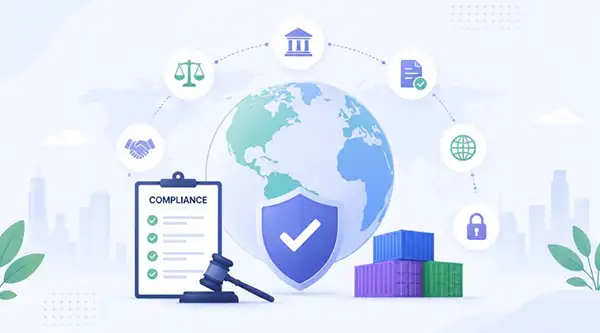
This is actually the part where companies really struggle. There’s compliance for offering equity, as every country has its own rules on securities, exchange controls, and labor.
Also, ETFs are traded in US dollars, and employees are paid in local currency. This leads to an issue concerning transaction costs and remittance limits. So when employees try to convert bonuses from local currency to USD, it often results in high retail FX spreads.
There are certain challenges associated with it:
- These ETFs are often treated as taxable income. So, employees have to pay a kind of tax.
- Non-US residents also face US withholding tax (30%) on dividend distributions. That means extra tax.
- Also, according to the rules, federal and state taxes can be imposed on non-US residents holding more than $60,000.
These types of extra charges put employees in a constant state of compliance and regulatory challenges.
Automating Vesting, Contributions, and Employee Portal Dashboards
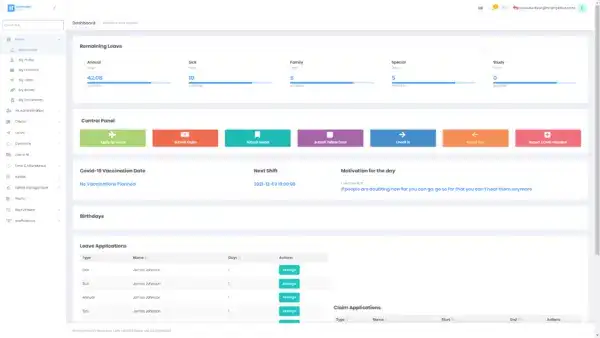
Nowadays, compensation platforms are removing the need for manual spreadsheets. They are linking the payroll cycles to investment execution automatically. And then legal stuff is sorted and automated. But some challenges are also there:
- Fractional shares: if they are not done, then small contributions are just meaningless.
- Market holiday: it shifts the trade to another day.
- Leavers: If anyone leaves, it creates problems and additional tasks. So, making the right decision and proper planning can help.
For the employee portal dashboard, don’t overdo it. Just keep it simple. Try to show the balance in the person’s own currency, and also how much they have and its worth as well.
Security, Data Privacy, and Risk Management in Financial HR Workflows

Financial HR workflows are also vulnerable to risks associated with data privacy and security. Here are some ways to manage these concerns:
- Cross-border data minimization: Limit the amount of personal data transferred and use role-based access control and multi-factor authentication.
- Try to scan all data to avoid unauthorized leakage, as it can result in security issues.
- Always use statutory compliance instead of employee consent to follow lawful data processing.
- Opt-in and opt-out options are better for maintaining data privacy while sharing employee data.
Honestly, combining ETF and S&P demands data privacy, security, and risk management. Only then can it work efficiently.
Frequently Asked Questions
1. What are some top ETFs?
Ans: The top ETFs are the Vanguard S&P 500 ETF, the iShares Core S&P 5000 ETF, and the State Street SPDR S&P 500 ETF.
2. Name some different kinds of stocks?
Ans: Some different kinds of stocks are common stock, preferred stock, growth stock, value stock, etc.
3. What is an employee portal dashboard?
Ans: An employee portal dashboard is a digital portal that allows employees to manage time, attendance, and documents.