While the idea of starting a new career without any relevant work experience may sound daunting, in fact, there are more opportunities out there than you may realise. Whether you’re actively searching for an entirely new role or are simply thinking about changing careers, the key to success lies in pinpointing your transferable skills and upskilling in order to achieve your goals.
For first-timers who are entering the job market, they need to know how to embark on a career with no previous experience. But, in reality, more people than ever before are also finding that they need to switch direction later in life. All this because of burnout, loss of their existing role, or just a desire to try something different. Although this may initially appear to be a worrying prospect, the good news is that even something as challenging as starting a teaching career without prior experience is possible when you know how to get started, often by obtaining qualifications like a TEFL certificate from The TEFL Org.
Why Change Careers?
The reasons for changing your career can be multiple, from dissatisfaction and desire for more challenge to necessity due to job loss.
Some of the most common reasons that people decide to switch career paths include:
- Having been channeled into a role that you find unsatisfying or unappealing.
- Wanting to pursue your passion for something different.
- Desiring higher pay or better opportunities.
- Wanting the chance to put your skills to better use.
- Loss of your existing role.
Anyone can embark on a new career path at any stage, but it becomes really difficult when you get old. Because many job adverts seem to require prior experience in a similar position. Yet that doesn’t mean that you should give up on your ambitions, as, rest assured, you can accomplish your goal as long as you take the correct approach.
What Skills Do I Already Have?
Identifying your existing transferable skills is the best place to start when seeking to change careers. Analyzing your skills will help you find the best new career path for you and help you draft a fresh CV.
Whether you’re a school leaver or graduate seeking your first role or a long-time employee negotiating a change, your first step is to take a deep dive into your past. By analyzing what you have earned academically, in your prior work, or in your personal life, what could help when it comes to securing a new role?
Soft skills you should be looking for include elements like:
- Communication and people skills.
- Problem-solving
- Coordination and organisational skills.
- Innovation and idea generation.
- Perseverance and resilience.
Once you analyze all your skills, the next step is just to think about how you can put them to best use in a new role.
Should I Upskill?
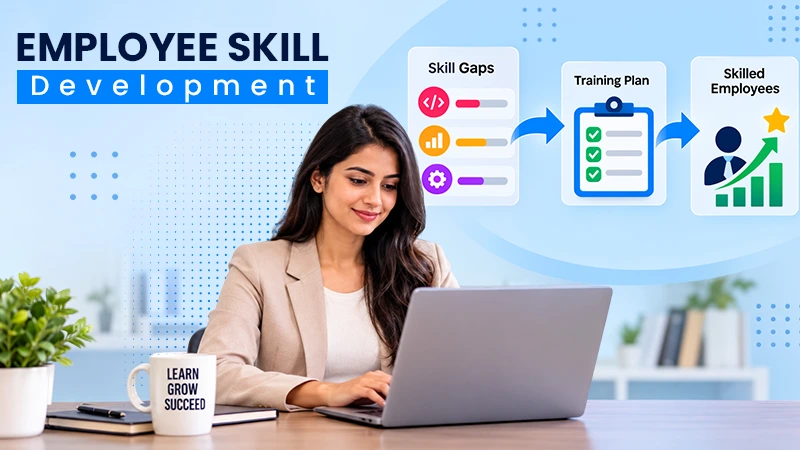
Upskilling can be a vital element of starting a new career, especially if you lack relevant work experience. There are many roles that don’t require any specific qualifications, and getting a certificate can often give you an advantage over other applicants.
A good place to begin when it comes to upskilling is to determine the best entry points and target roles that are best suited to career changers and those looking for their first position.
Many certification courses are very budget-friendly and can be completed in a short time, which will give you a boost when applying for these posts.
One good example of this is the TEFL (Teaching English as a Foreign Language) qualification. Getting this certificate through a reputable provider like The TEFL Org can help establish a whole new career that will enable you to secure work near home, online, or even overseas.
There’s no need to go to university and undertake an expensive degree, as you can obtain this qualification in just 120 hours and even study remotely at a time and place that suits your needs, fitting around your existing commitments.
How Do I Draft A New CV?
Drafting a fresh CV will enable you to target employers in your chosen field, and the key is to adopt a skills-based approach instead of a chronological one.
Traditionally, CVs are listed chronologically, with the most recent position at the top. However, this isn’t the best option if you’re a new entrant to the market or a career changer. Rather, think about a skills-based resume, focusing on the most relevant abilities that you have.
Draft an opening statement that describes the unique value that your background can add to an organisation and use keywords like “hard-working” and “passionate” throughout to capture the attention of the recruiter and demonstrate how you’re the best fit for the post.
Should I Gain Experience?
Gaining experience in your chosen field is another way to boost your new CV and make you stand out from the crowd. You can achieve this goal by taking classes, doing research of your own, or undertaking volunteering.
Seeking out internships or approaching companies directly to ask for a work experience opportunity is one effective way to enhance your CV. Also, you can meet people in your chosen field who could potentially offer you a job in the future or introduce you to other potential opportunities.
Alternatively, you may be able to create your own opportunities depending on the field you wish to enter. For instance, by creating a portfolio if you’re considering an artistic career path, or searching out competitions and freelance gigs that help you to enhance your skill set while also proving your abilities and passion.
If you’re inspired to embark on a new career, there’s no better time than the present to get started. The earlier you start the process, the sooner you will be in a better and more exciting position. Whether you need to upskill with a course such as those provided by The TEFL Org, find a volunteering role, or put together an engaging portfolio, it’s within your power to change your path at any time in life.
FAQs
1. What is the easiest career to switch to?
Ans: The easiest career to switch to depends on soft skills and is a customer service representative, and project management.
2. How do I draft a new CV?
Ans: Draft an opening statement that describes the unique value that your background can add to an organisation, and use keywords like “hard-working” and “passionate” throughout to capture the attention of the recruiter and demonstrate how you’re the best fit for the post.
3. Why do people change careers?
Ans: The reasons for changing your career by the people can be multiple, from dissatisfaction and desire for more challenge to necessity due to job loss.